
Warning: Parameter 2 to qtranxf_postsFilter() expected to be a reference, value given in /var/www/vhosts/riff.it/subdomains/archivio/httpdocs/wp-includes/class-wp-hook.php on line 286


SYNOPSIS:
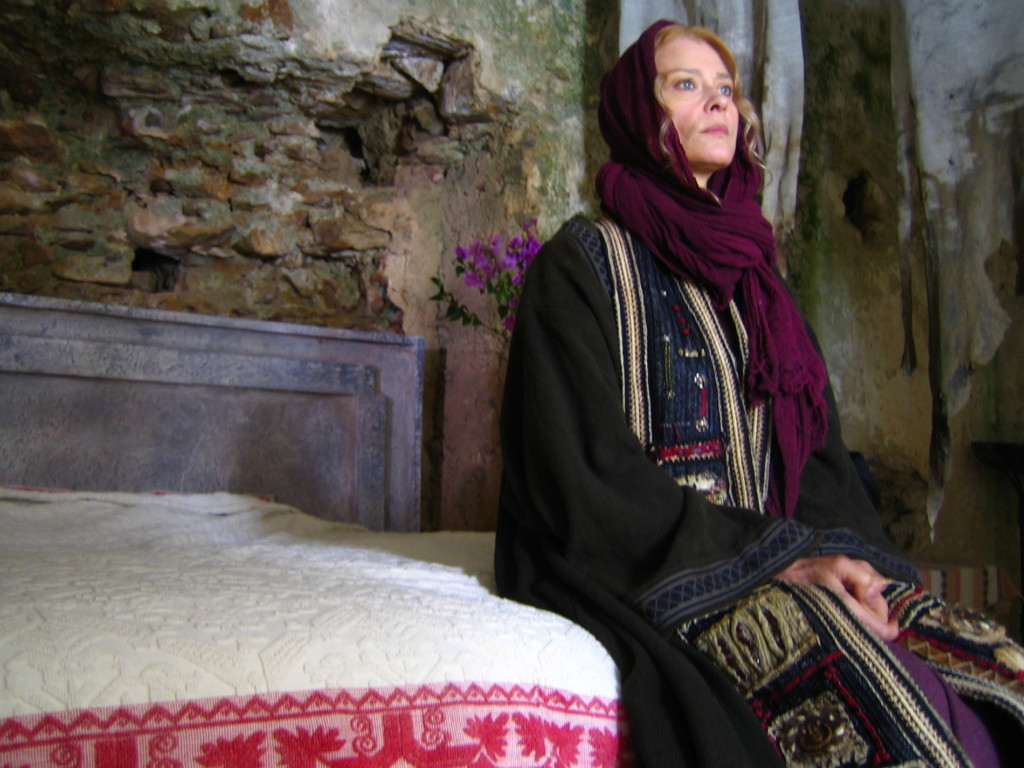
“The Last King” is a contemporary adaptation of “The Trojan Woman” by Seneca, one of the most powerful charachers in classic literature, narrated by Homer, Euripides, Seneca, Racine, has been attracting, capturing and moving audience for centuries. The woman is undoubtedly the core of the tale, here in war, a victim and heroine at the same time; forced, violated, stricken in her deepest emotions by the loss of children, husbands, fathers and mothers but ready to face any difficulty, any struggle, even at the price of her own death.
“The Last King” is a contemporary adaptation of “The Trojan Woman” by Seneca, one of the most powerful charachers in classic literature, narrated by Homer, Euripides, Seneca, Racine, has been attracting, capturing and moving audience for centuries. The woman is undoubtedly the core of the tale, here in war, a victim and heroine at the same time; forced, violated, stricken in her deepest emotions by the loss of children, husbands, fathers and mothers but ready to face any difficulty, any struggle, even at the price of her own death.
BIOGRAPHY:
In the 1980s, Aurelio Grimaldi began writing various literary works, such as "Mery per sempre" from which Marco Risi adapted a film 1988. After this film, in 1990, Grimaldi wrote the treatment for another film by Risi, "Ragazzi fuori". In 1992, he realized his first film as a director, "La discesa di Aclà a Floristella", presented at the Venice Film Festival. With the following work, "La ribelle", (1993), with Penelope Cruz, he had the opportunity to open at the Festival di Locarno, his consecration arrived in 1994 with "Le buttane", adapted from his book, which was presented at Cannes and won the Critic's Prize at the Rotterdam Festival
In the 1980s, Aurelio Grimaldi began writing various literary works, such as "Mery per sempre" from which Marco Risi adapted a film 1988. After this film, in 1990, Grimaldi wrote the treatment for another film by Risi, "Ragazzi fuori". In 1992, he realized his first film as a director, "La discesa di Aclà a Floristella", presented at the Venice Film Festival. With the following work, "La ribelle", (1993), with Penelope Cruz, he had the opportunity to open at the Festival di Locarno, his consecration arrived in 1994 with "Le buttane", adapted from his book, which was presented at Cannes and won the Critic's Prize at the Rotterdam Festival

